WOK THE DOG
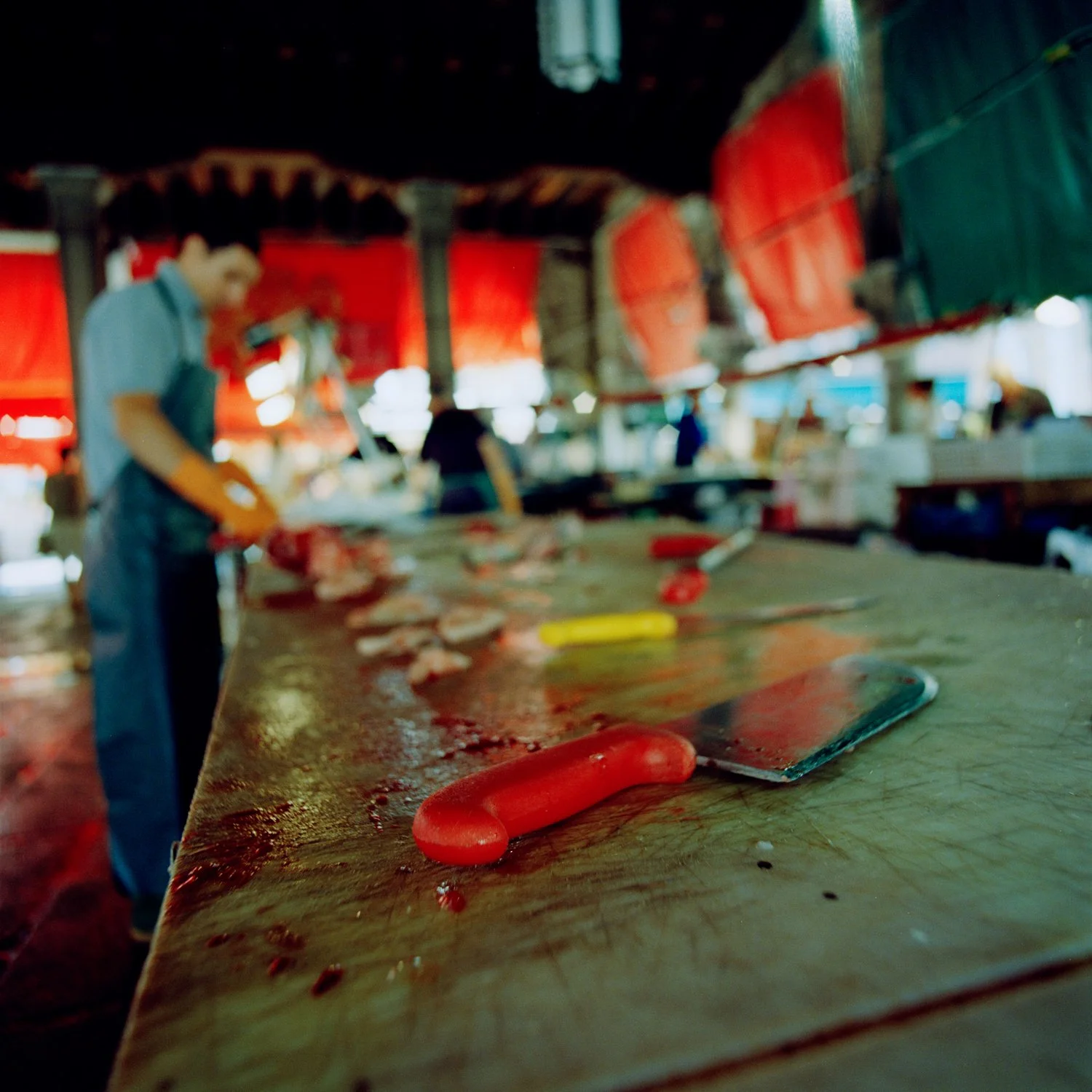
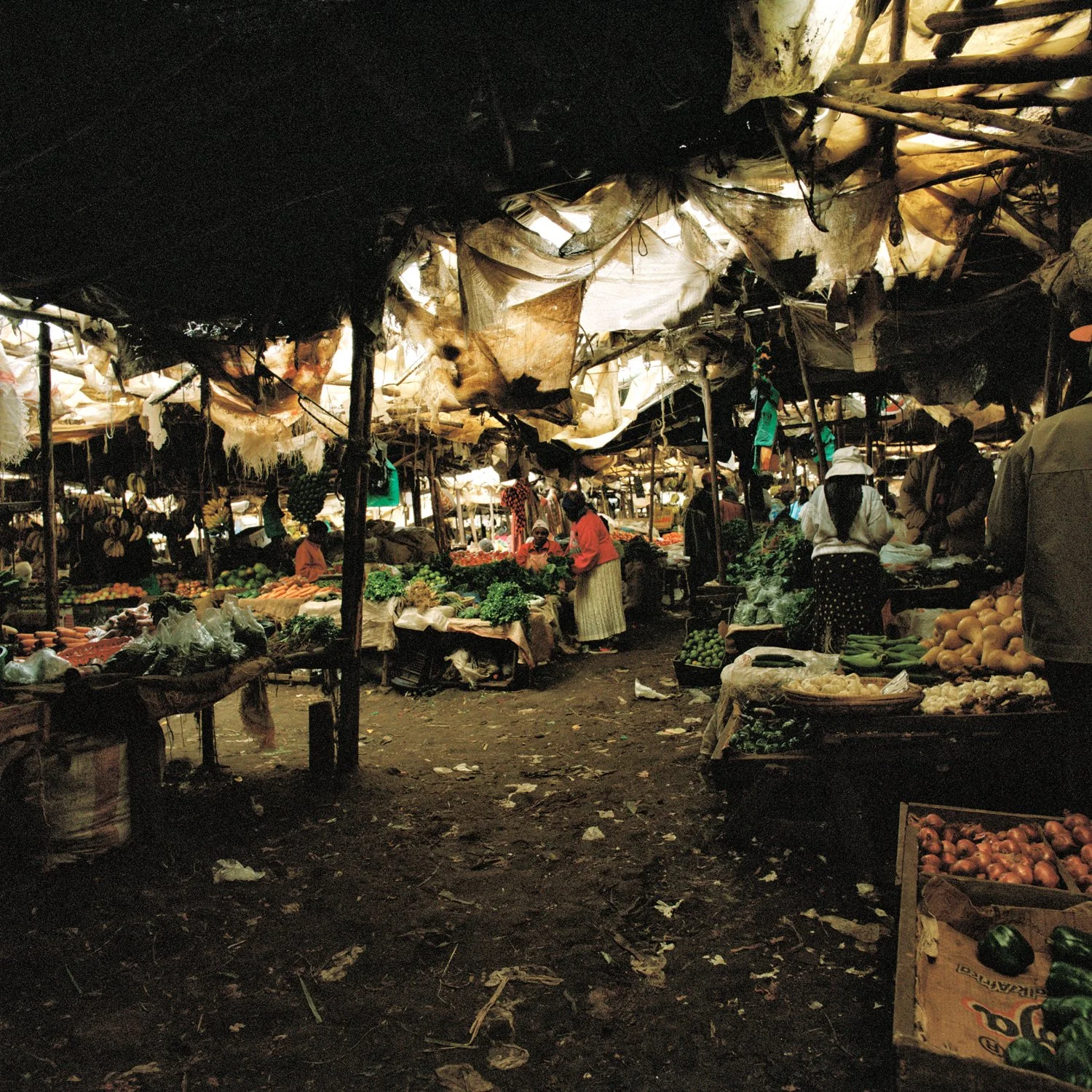
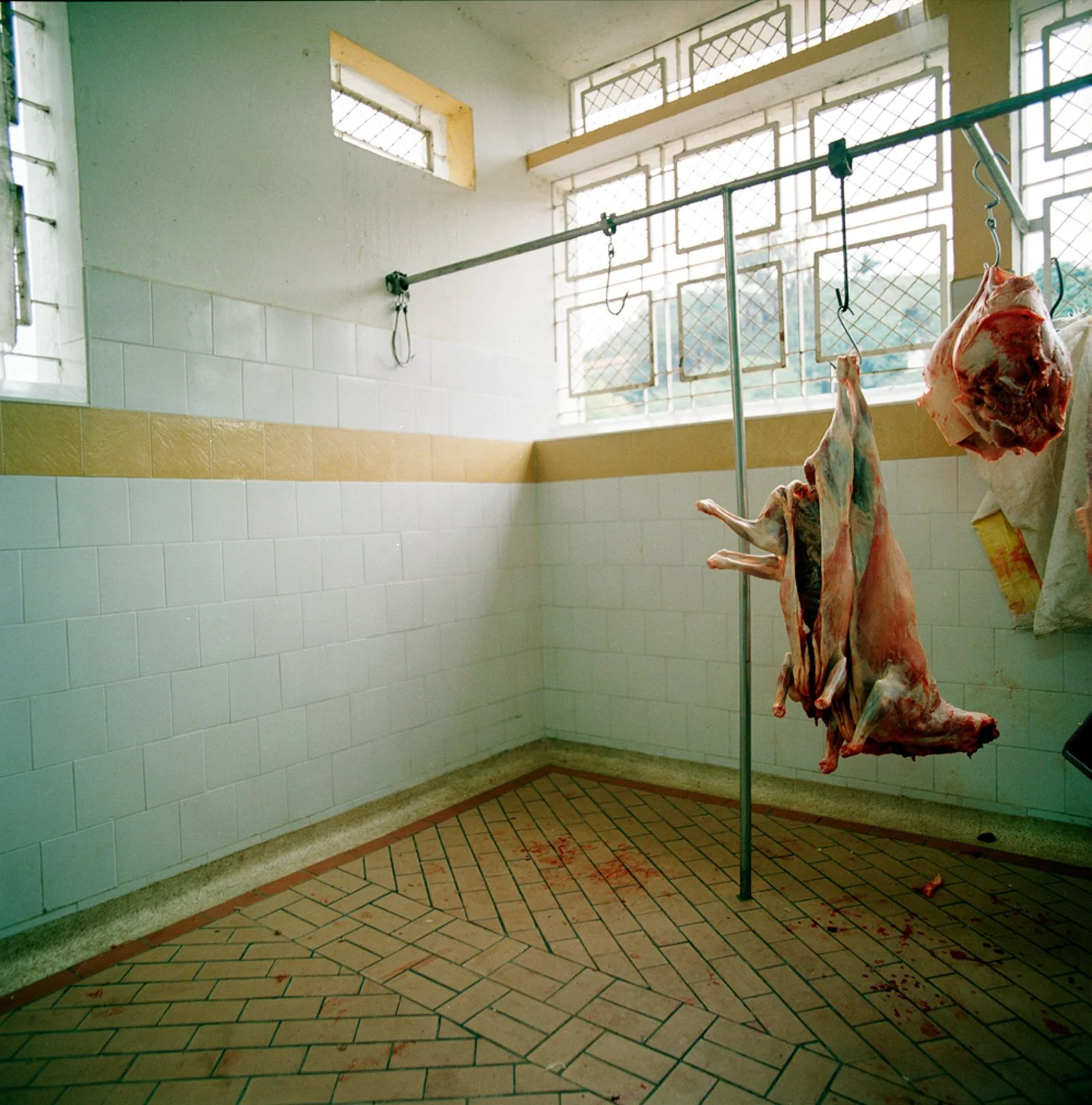
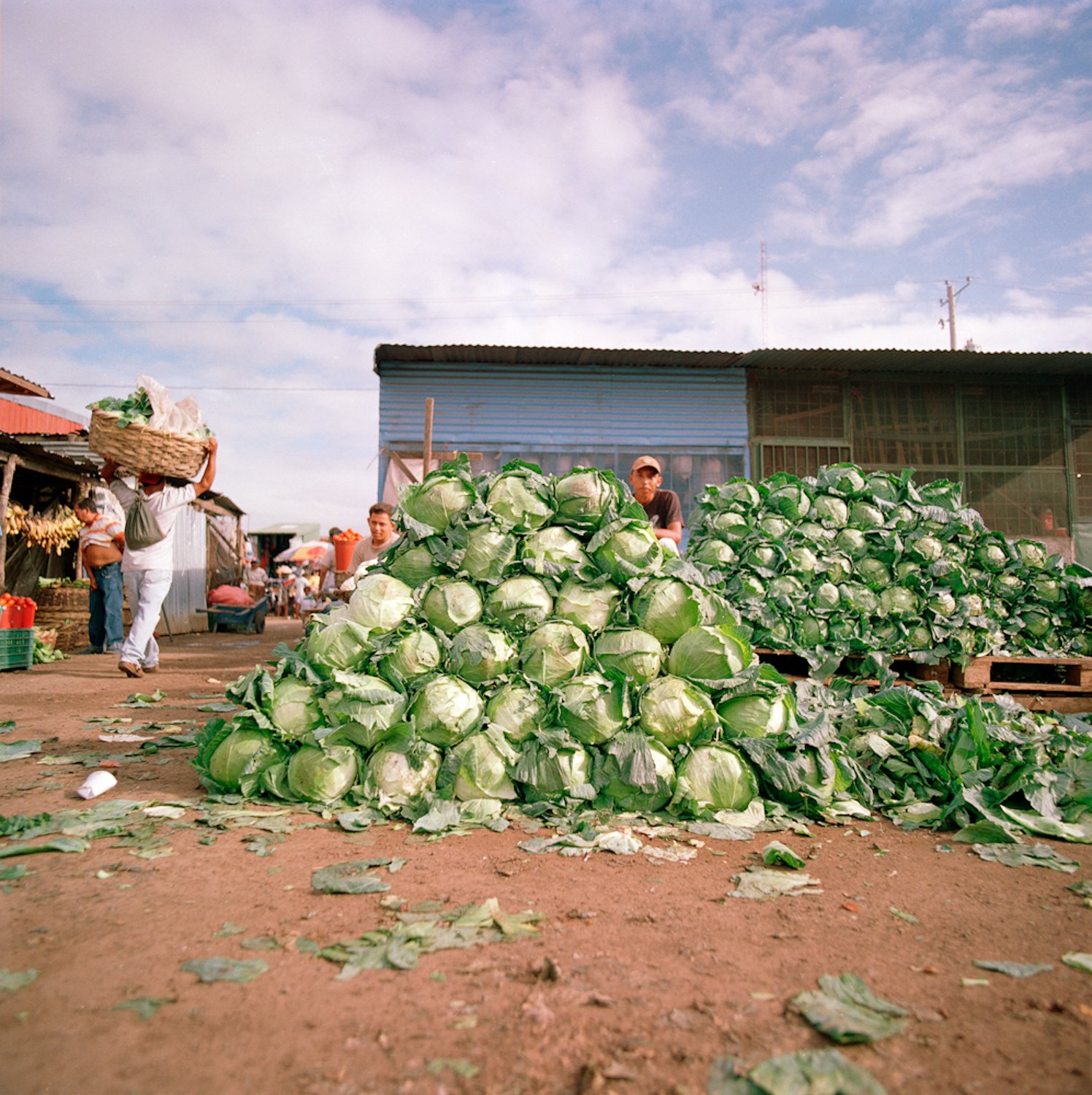
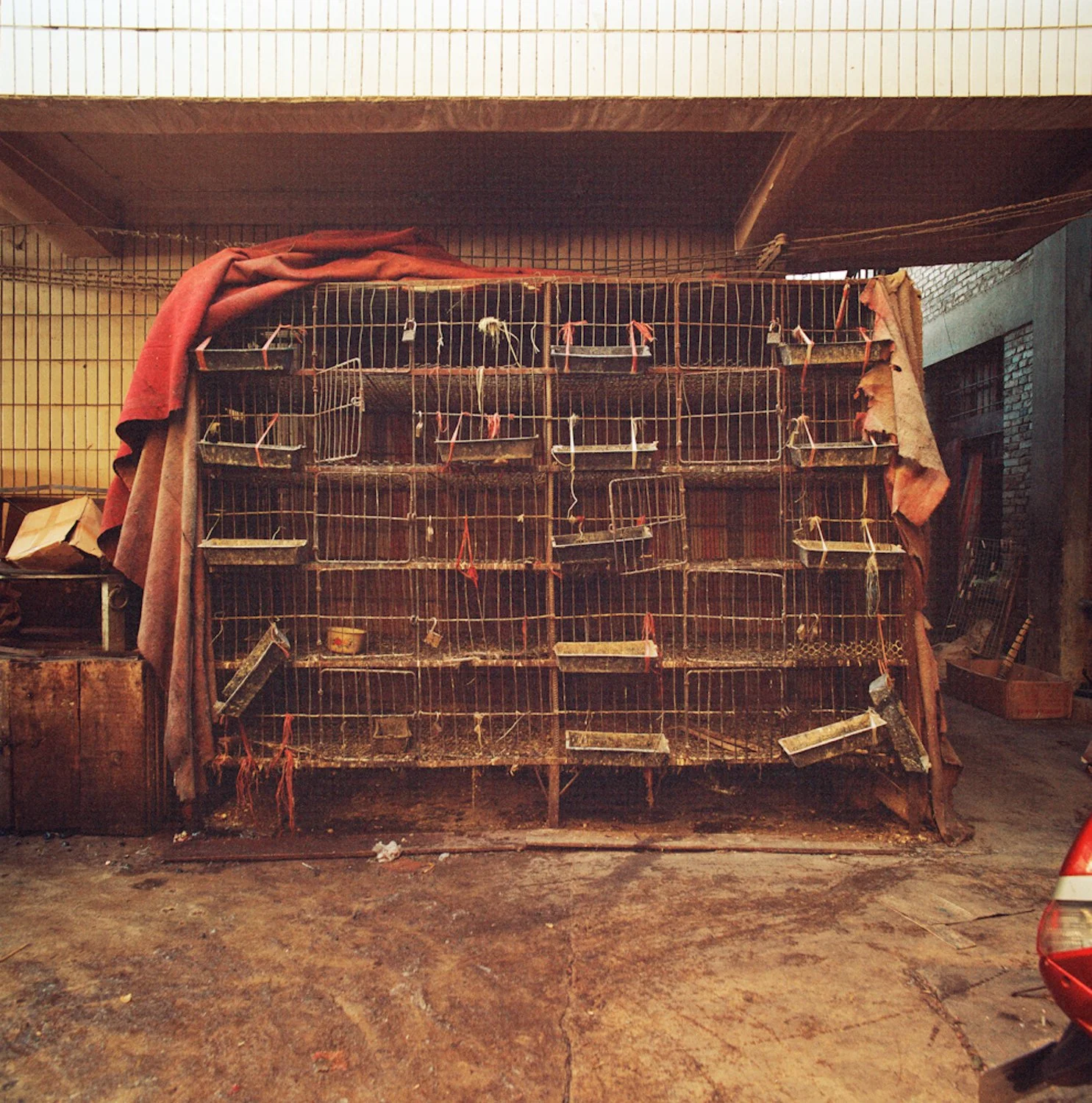
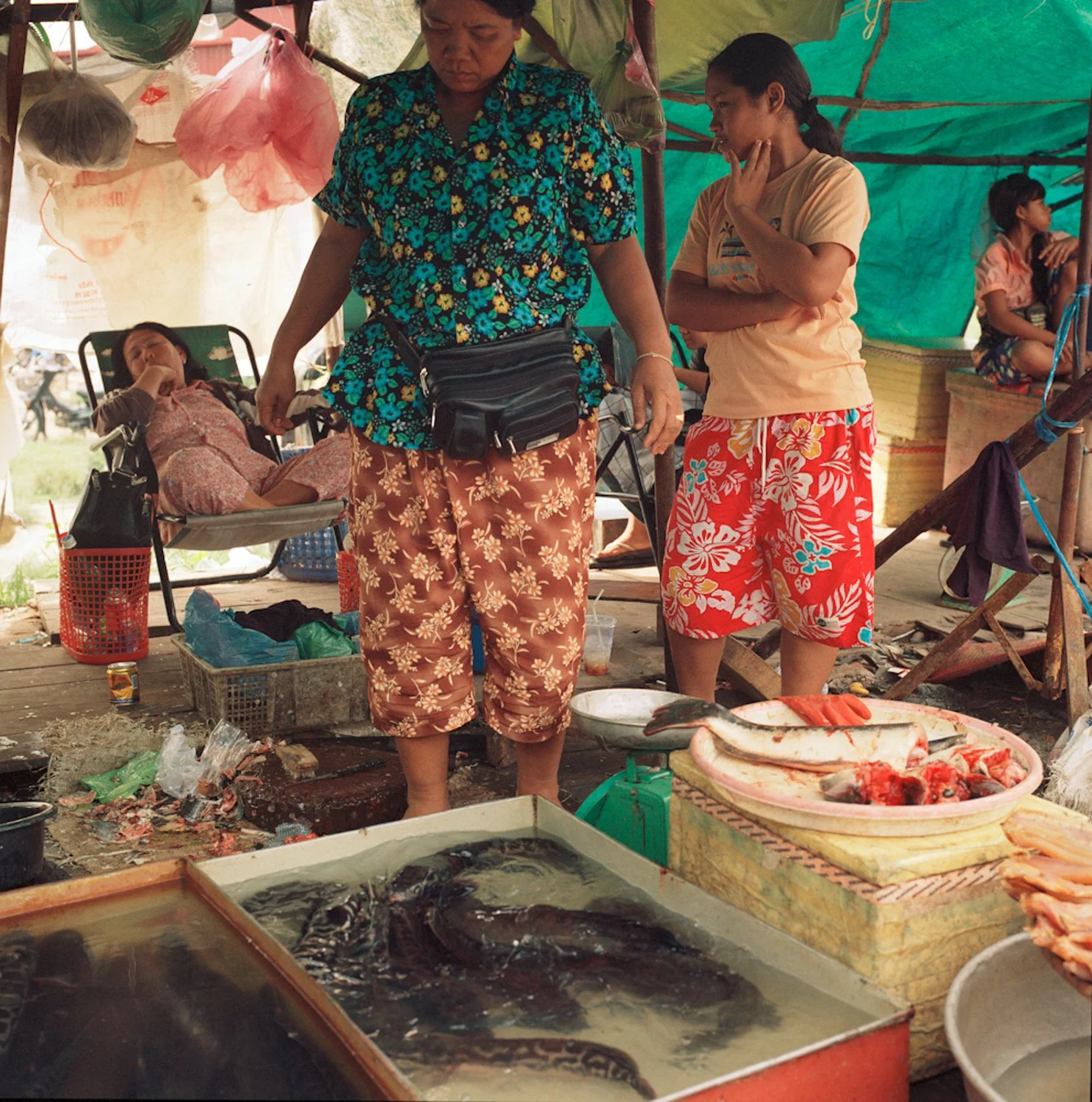
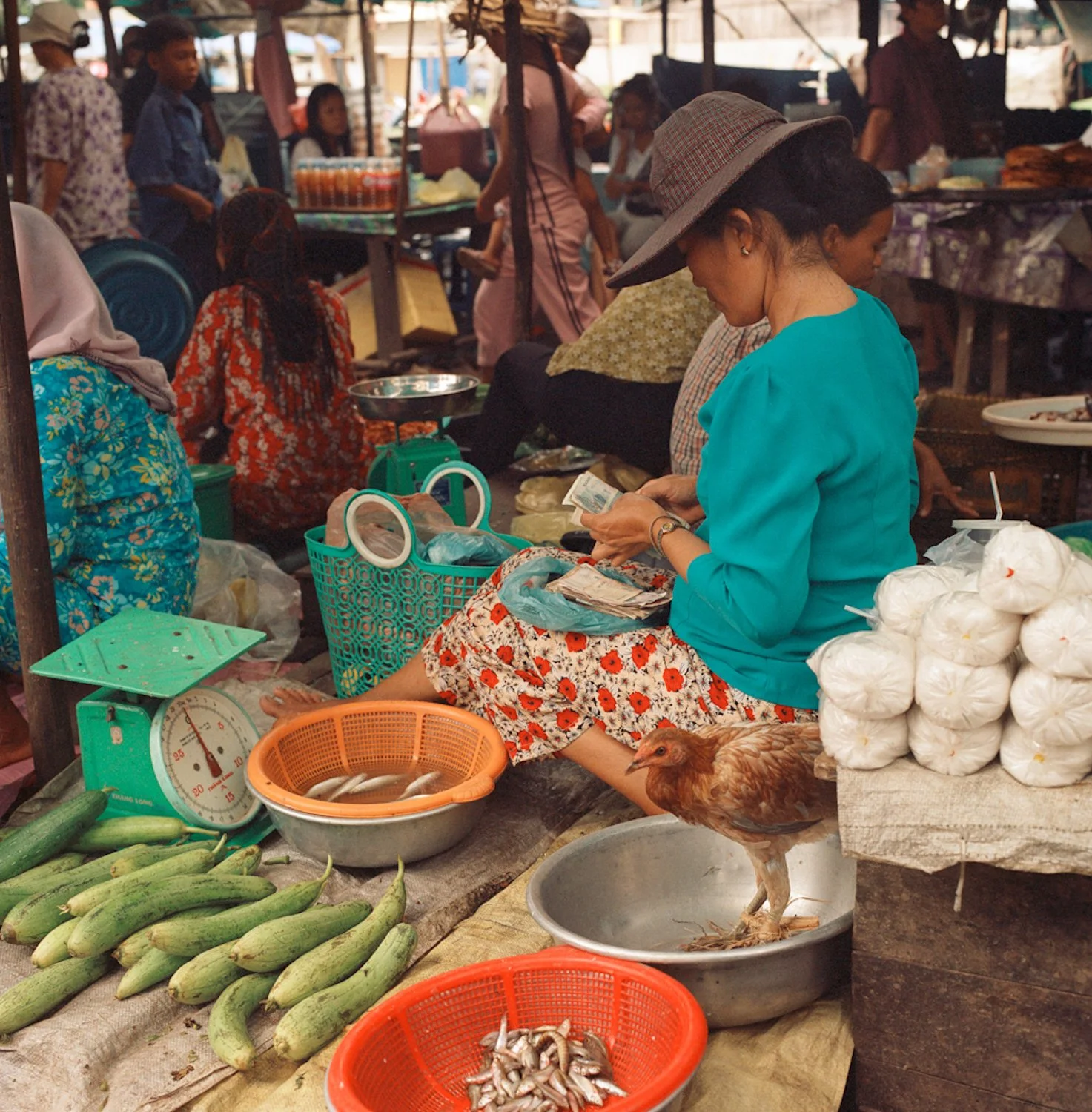
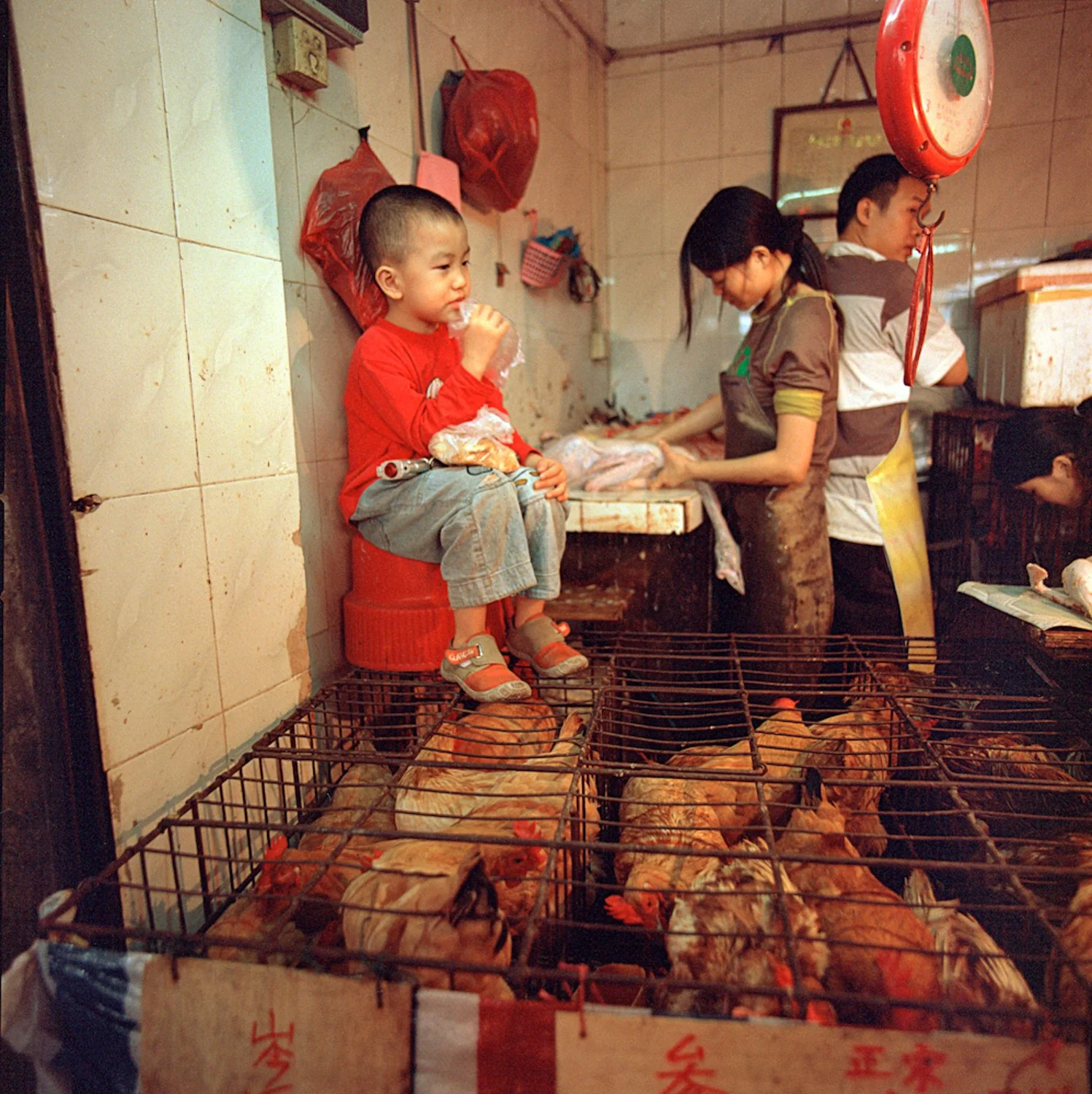
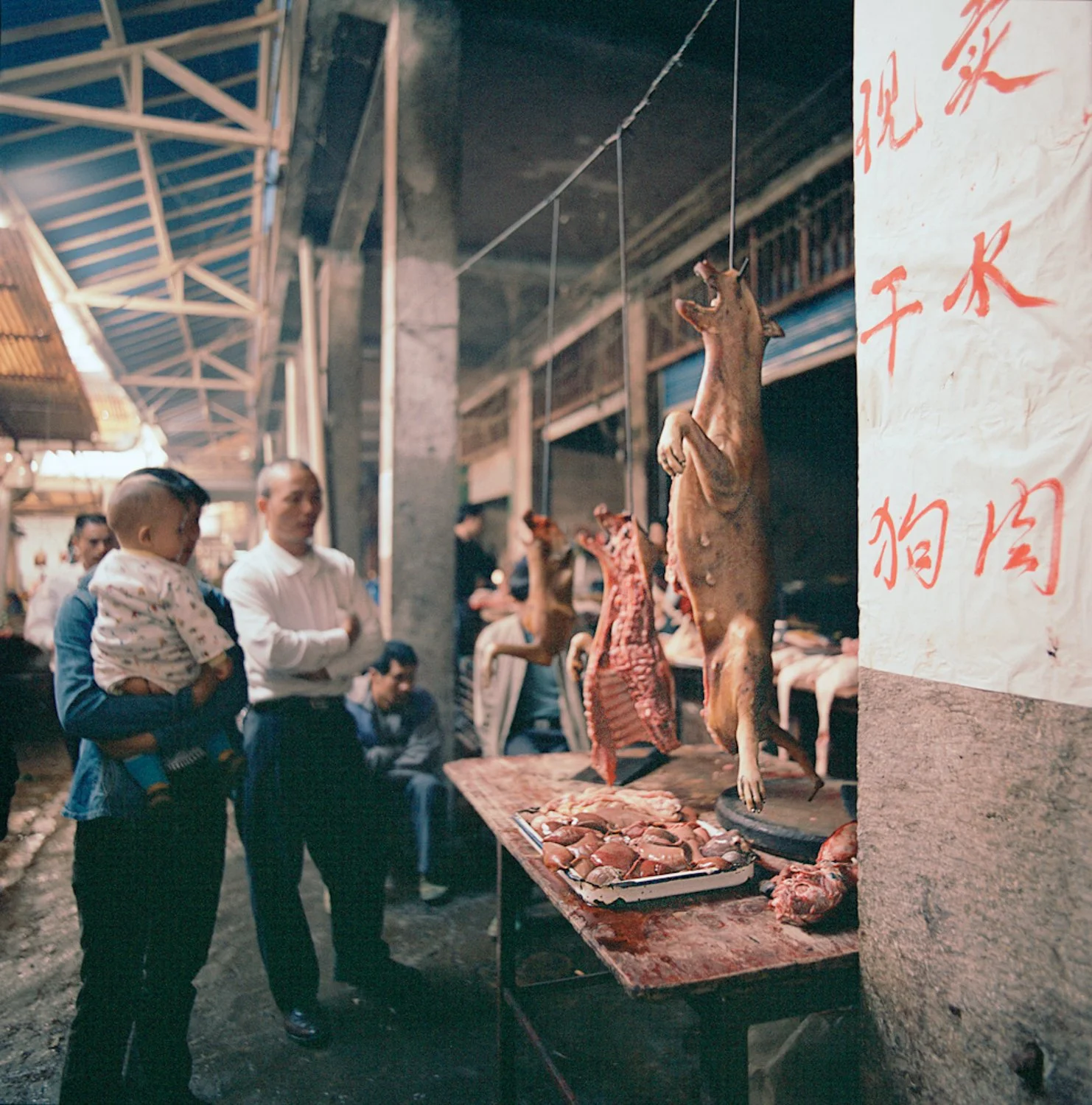
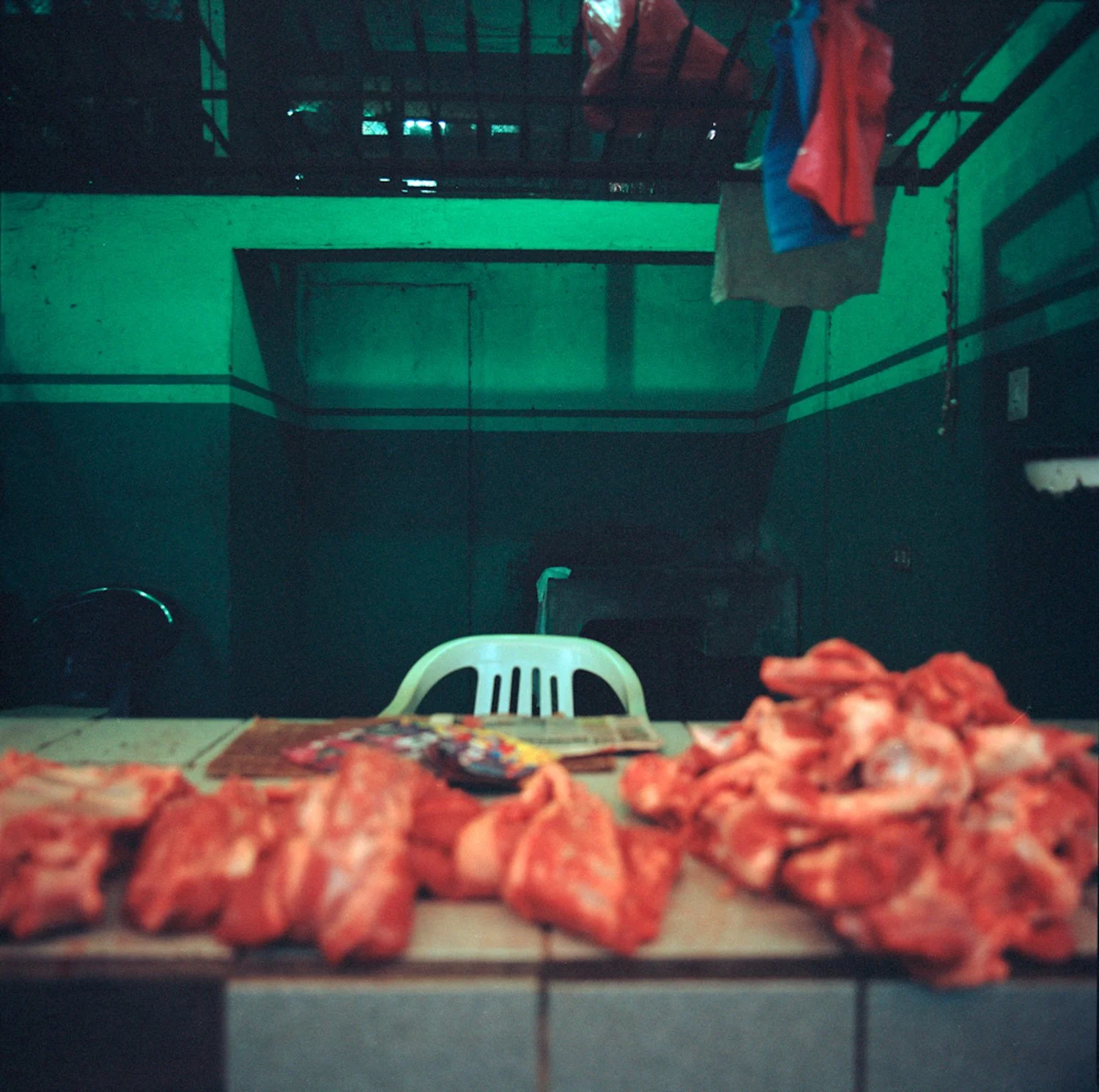
Wok the Dog began out of curiosity about my childhood fears. Clean, brightly lit supermarkets didn't exist in Taipei in the early 1980s. Groceries were bought at old-fashioned markets where mothers and wives knew the best vegetable vendor, the butcher with the kind smile, and the couple that sold the cheapest fruits. The markets were dark, full of pungent smells; floors were slick with blood and water. The sounds of caged and dying animals filled the space. Being three feet tall, I was afraid of getting lost in the crowd, taken by the butcher, caged, and sold.
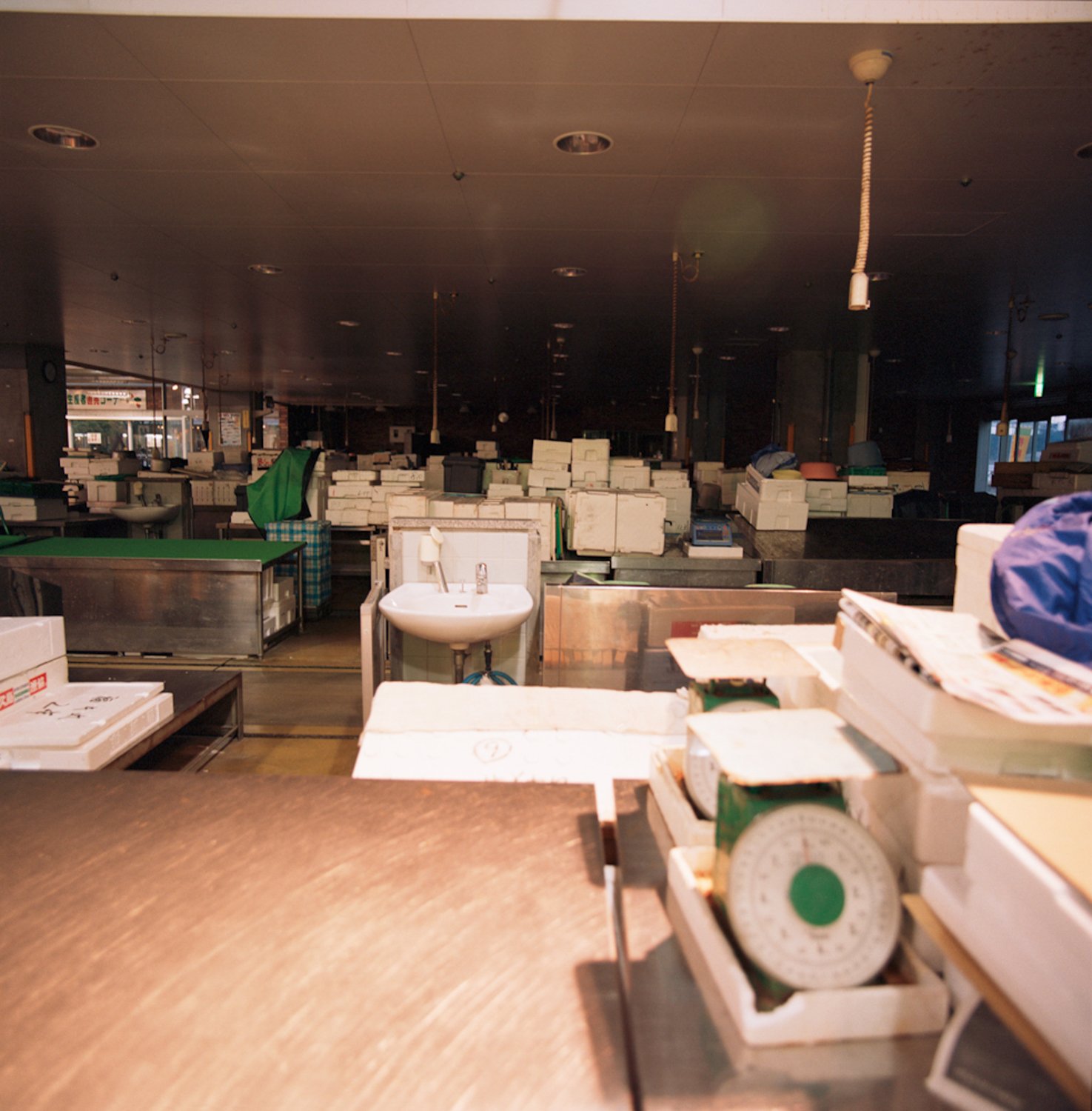
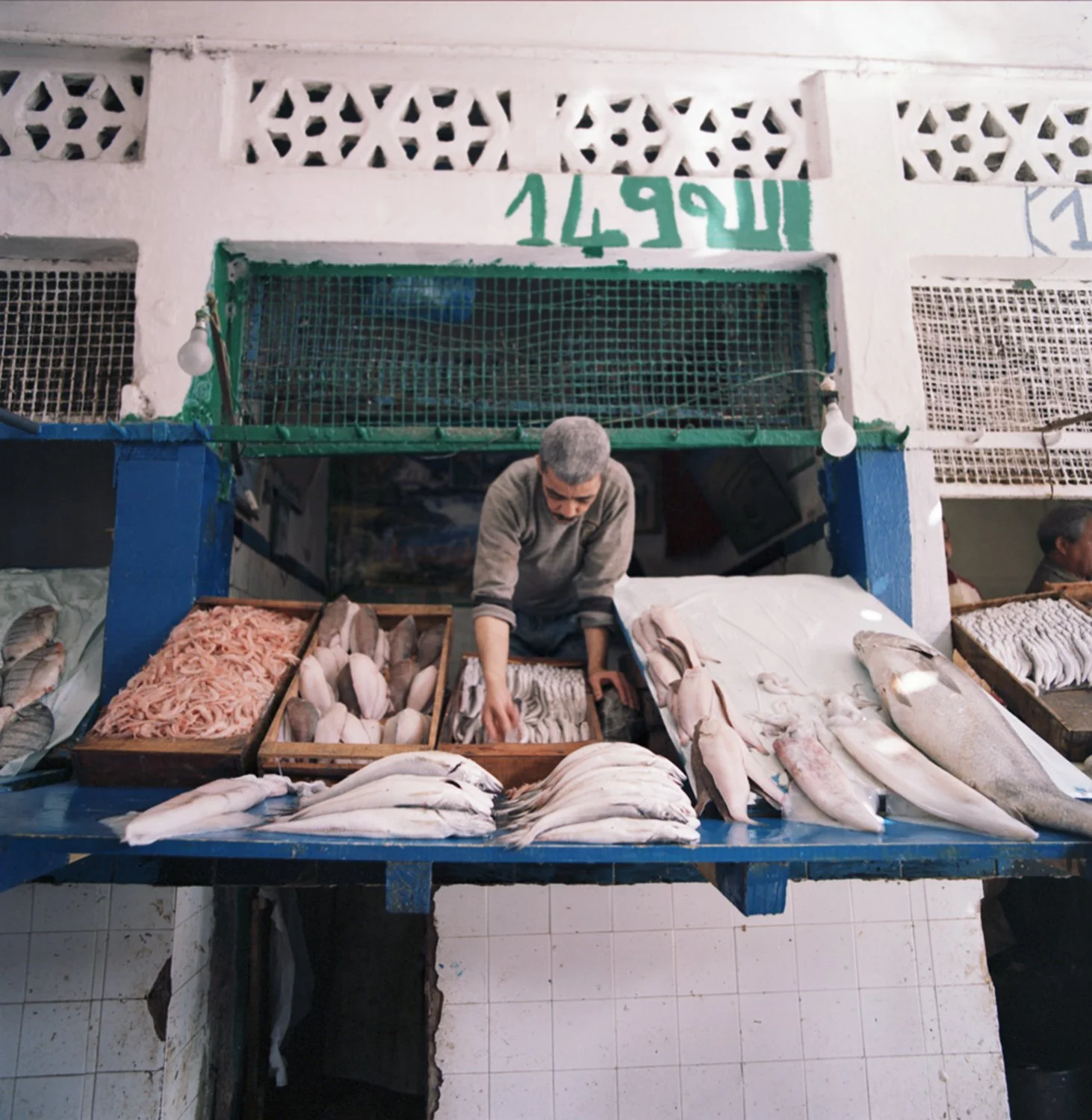
At 18, I returned to Taiwan and to the markets, wanting to see what had made me so afraid. The markets had changed. They are more sanitary, brighter, often air-conditioned. But the struggle of life and death is the same.
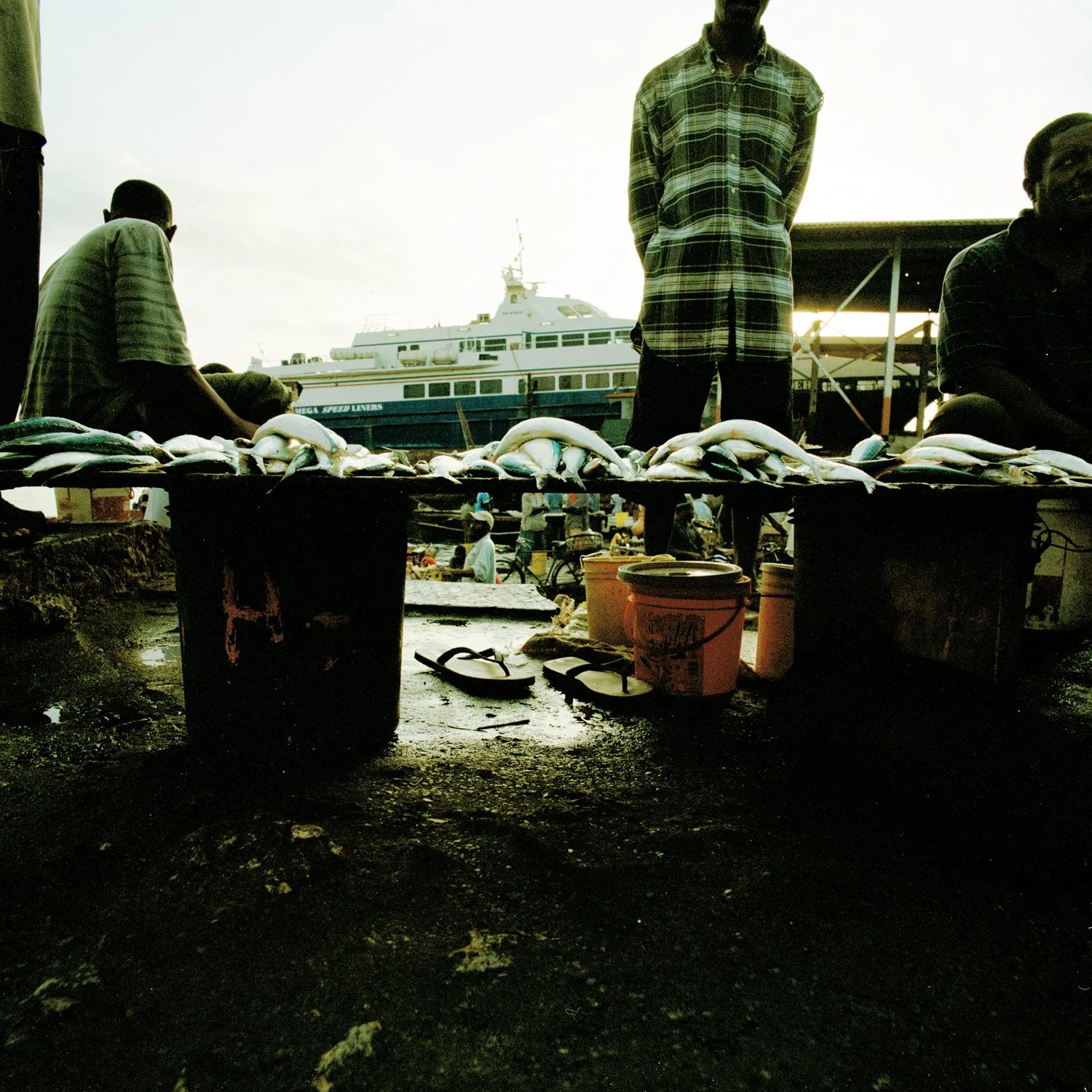
I have been photographing markets across the world for over 15 years.
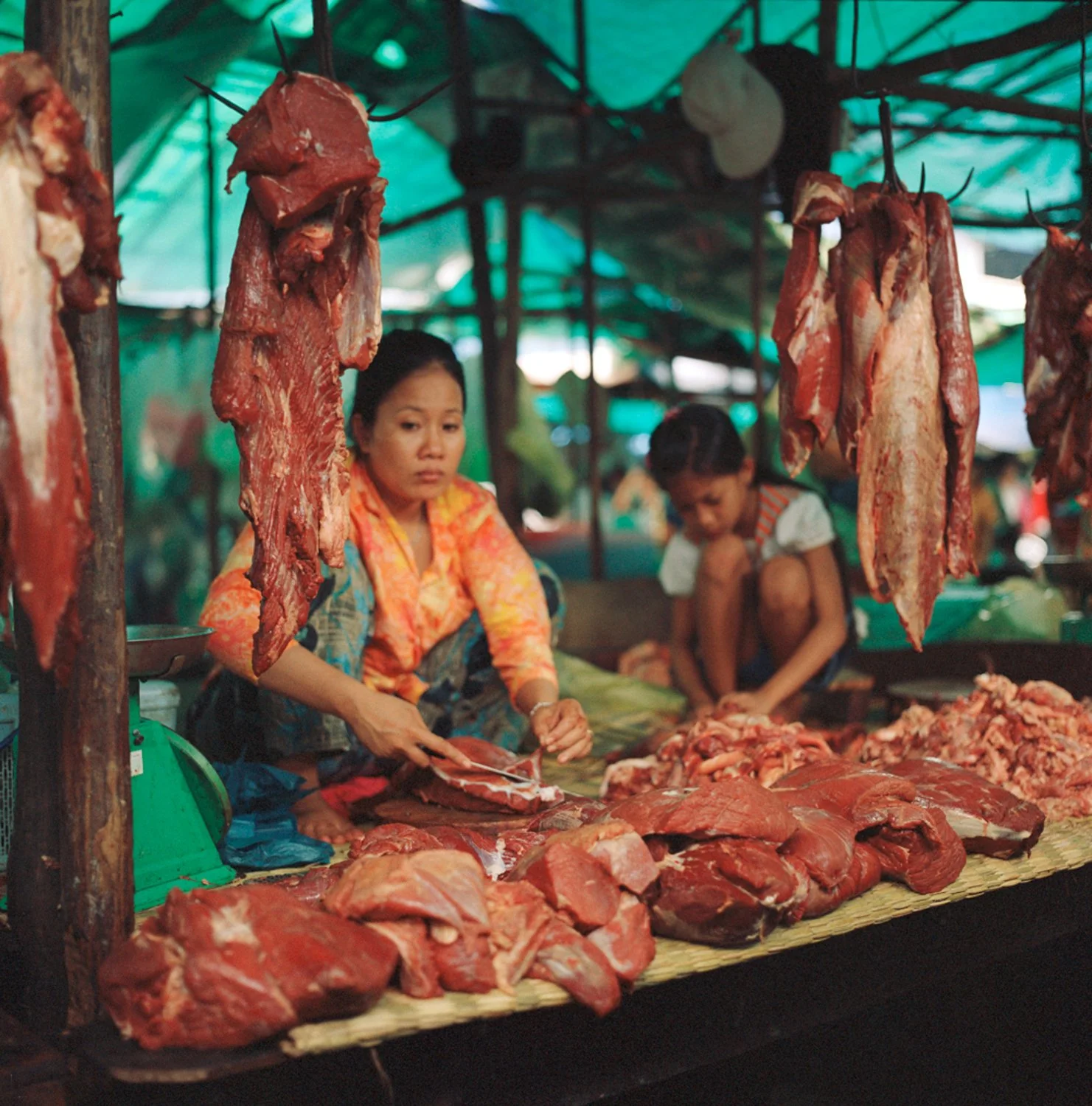
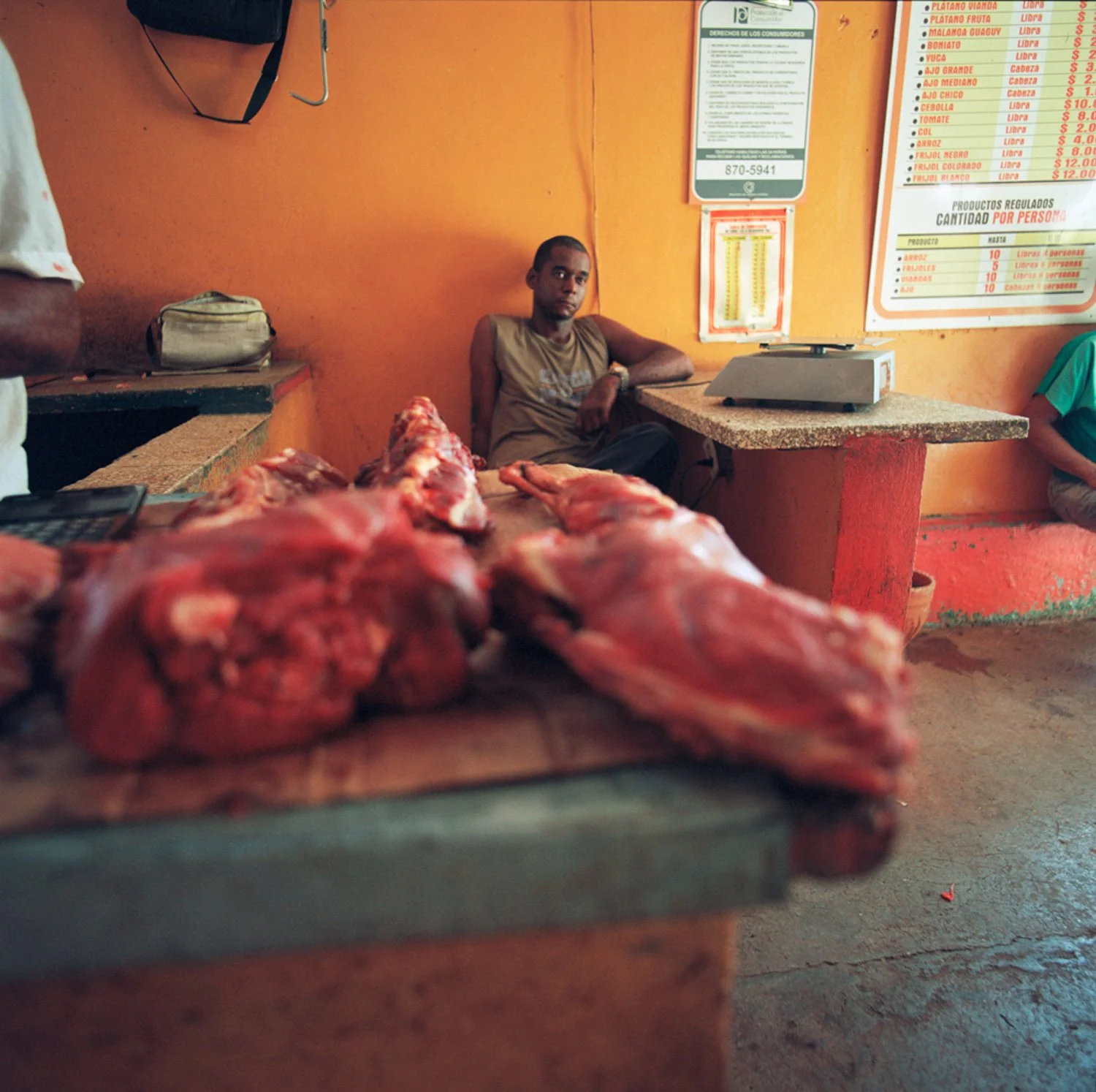
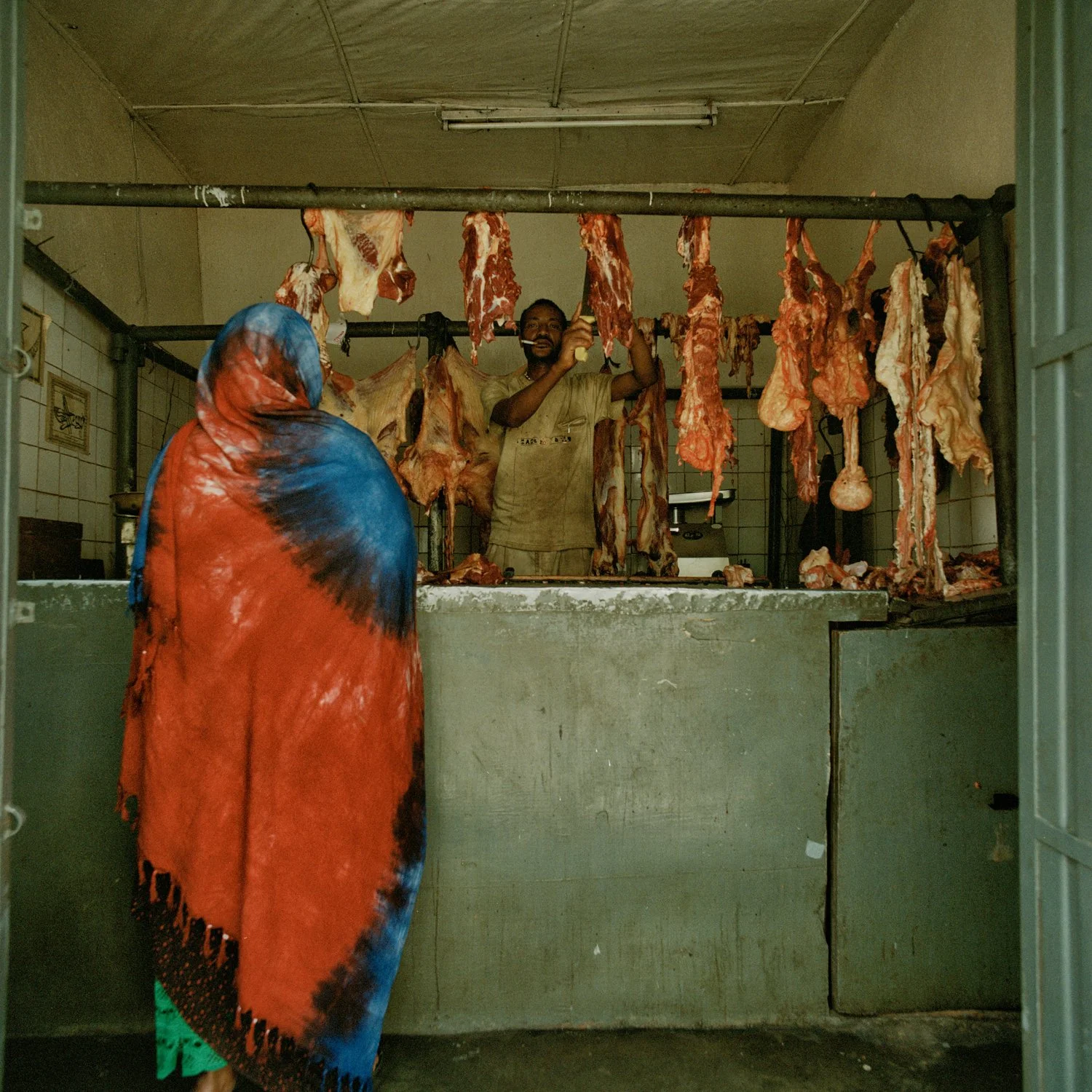
What was once fear turned into an investigation into the commerce of life: the death of the animal sustains our lives and the livelihood of the vendors. An intricate knot of life — death — life. The neatly packaged meats, "pink in plastic," of supermarkets — the mark of civility — distance us from what food really is. They create a sense of detachment, dulling our awareness. There is a harmony between us and our food that comes from cherishing our dinner and acknowledging that the pork chop on the plate once had four legs and a beating heart.
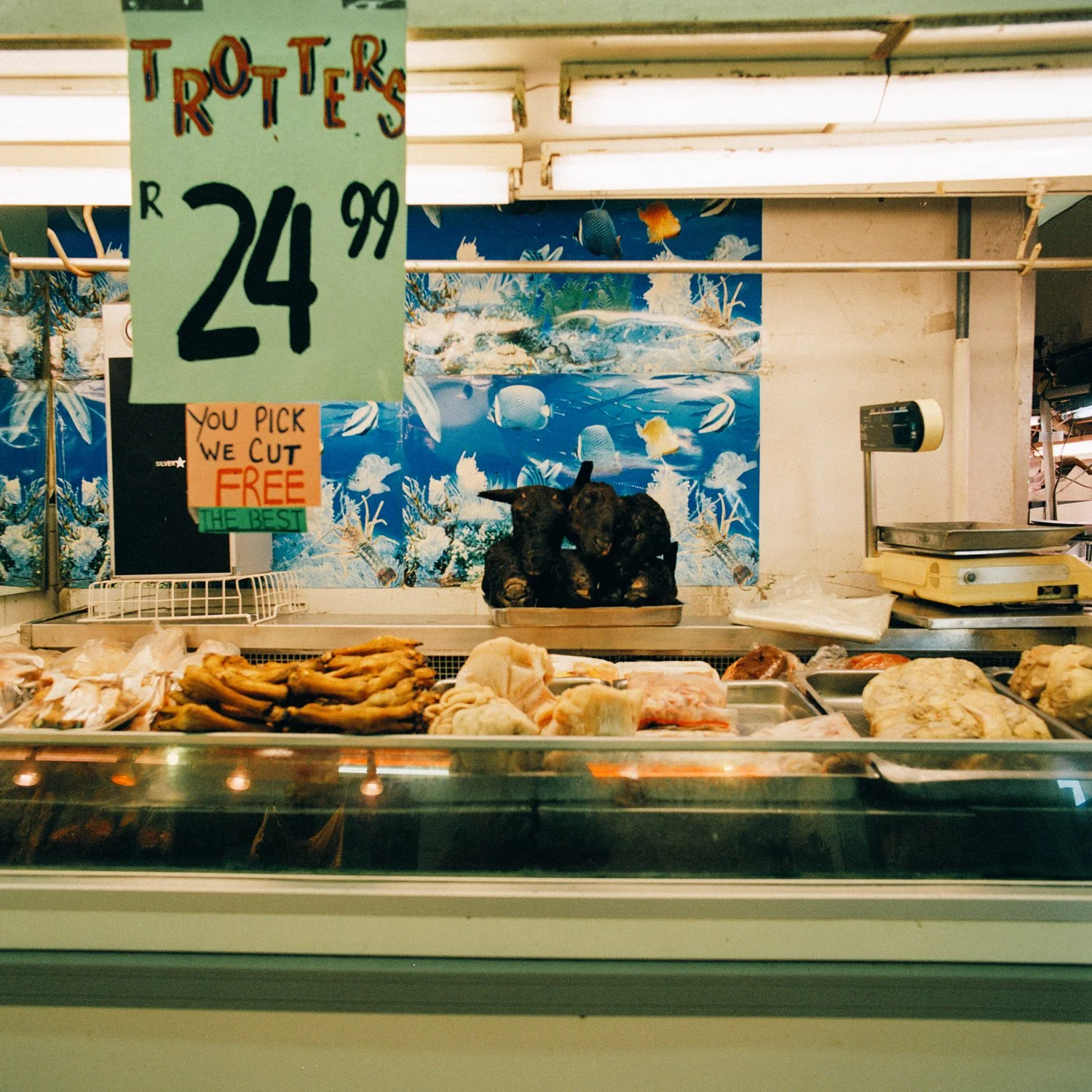
The true cost of the industrialized food system — our reliance on refrigeration, the rampant waste it produces — is made visible when contrasted against the traditional markets of other cultures. The sterility of the 24-hour superstore renders us blind to the natural equilibrium we disturb with our purchases. We avoid our own mortality through the guise of convenience. Our detachment makes the food less special; life less precious. We would not eat as we do, or waste as we do, if we truly understood what it takes to produce a six-ounce steak. We forget about seasons and turn a blind eye to scarcity.
There is a sanctity ingrained in death — a truth in that we are, head to toe, animals too. We are beasts eating beasts. Recognizing that truth enhances our humanity. The savagery lies in our avoidance.
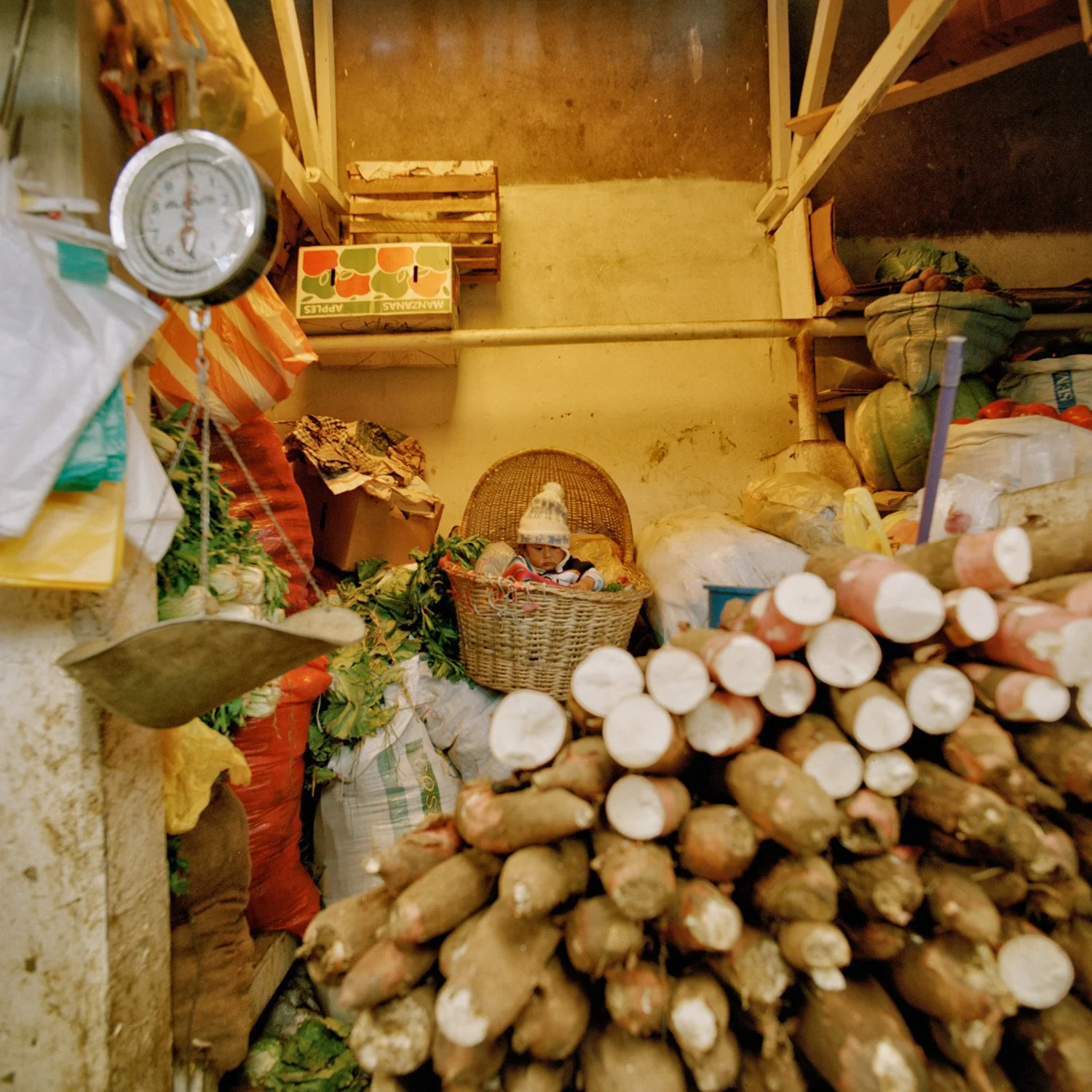
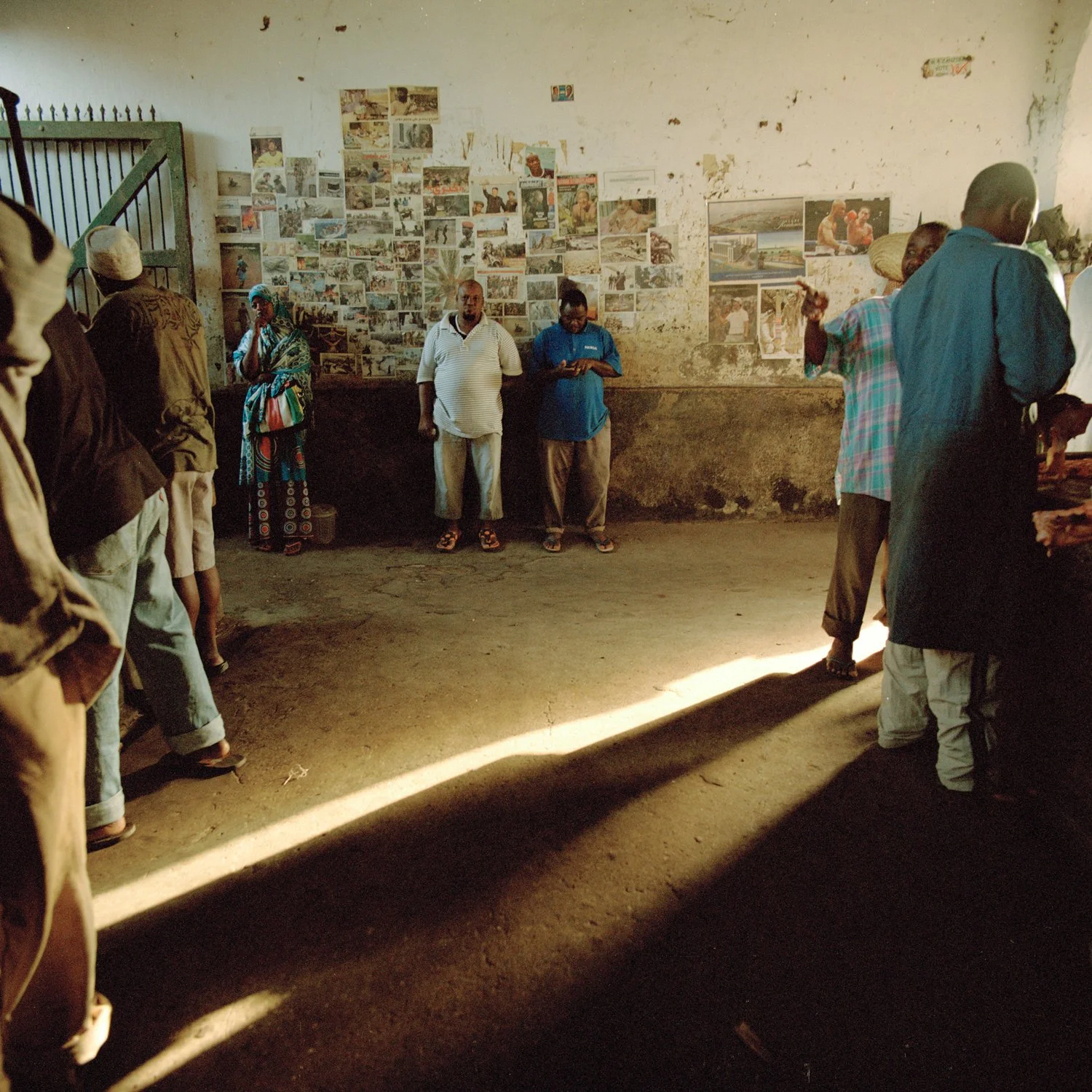
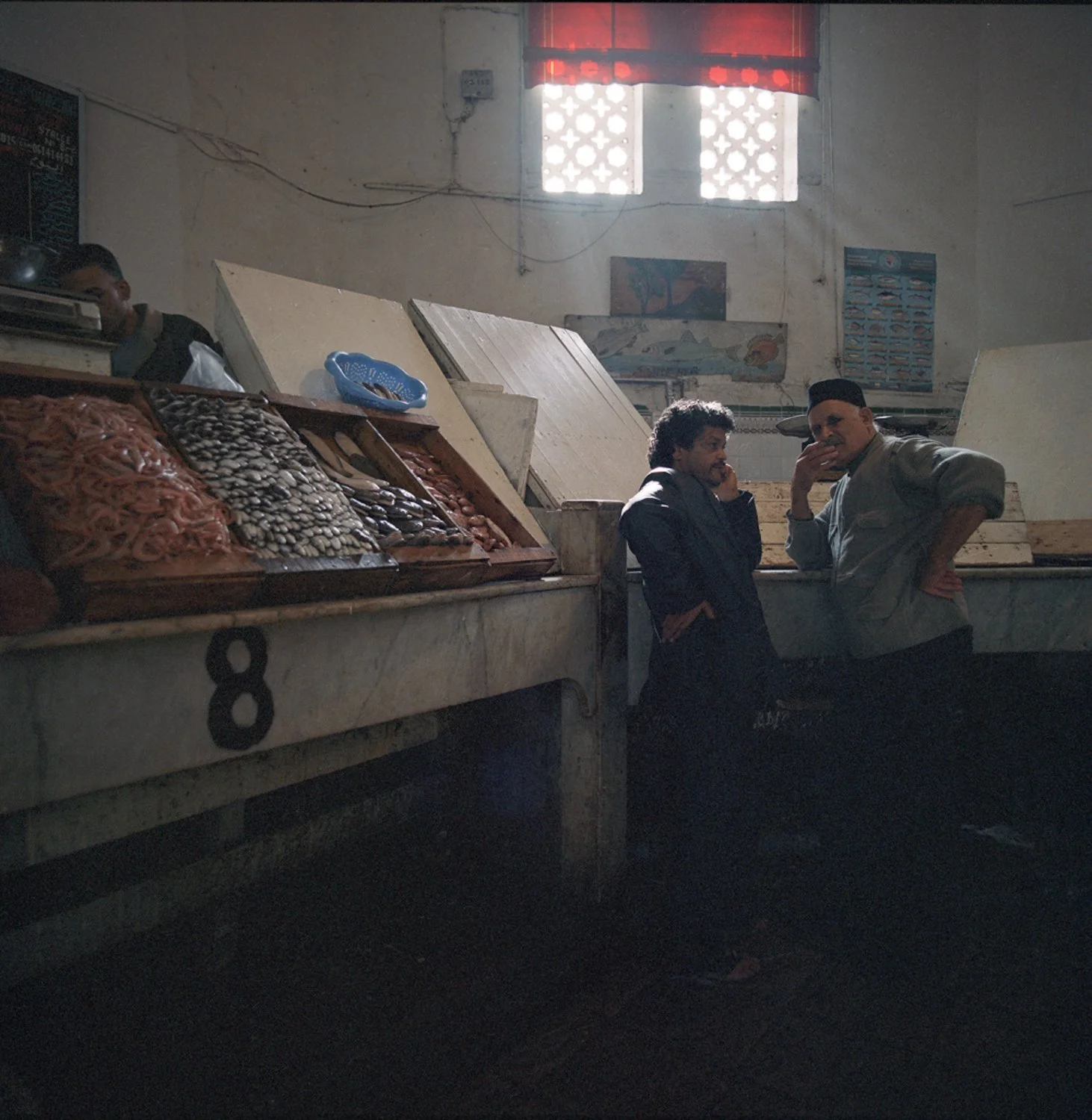
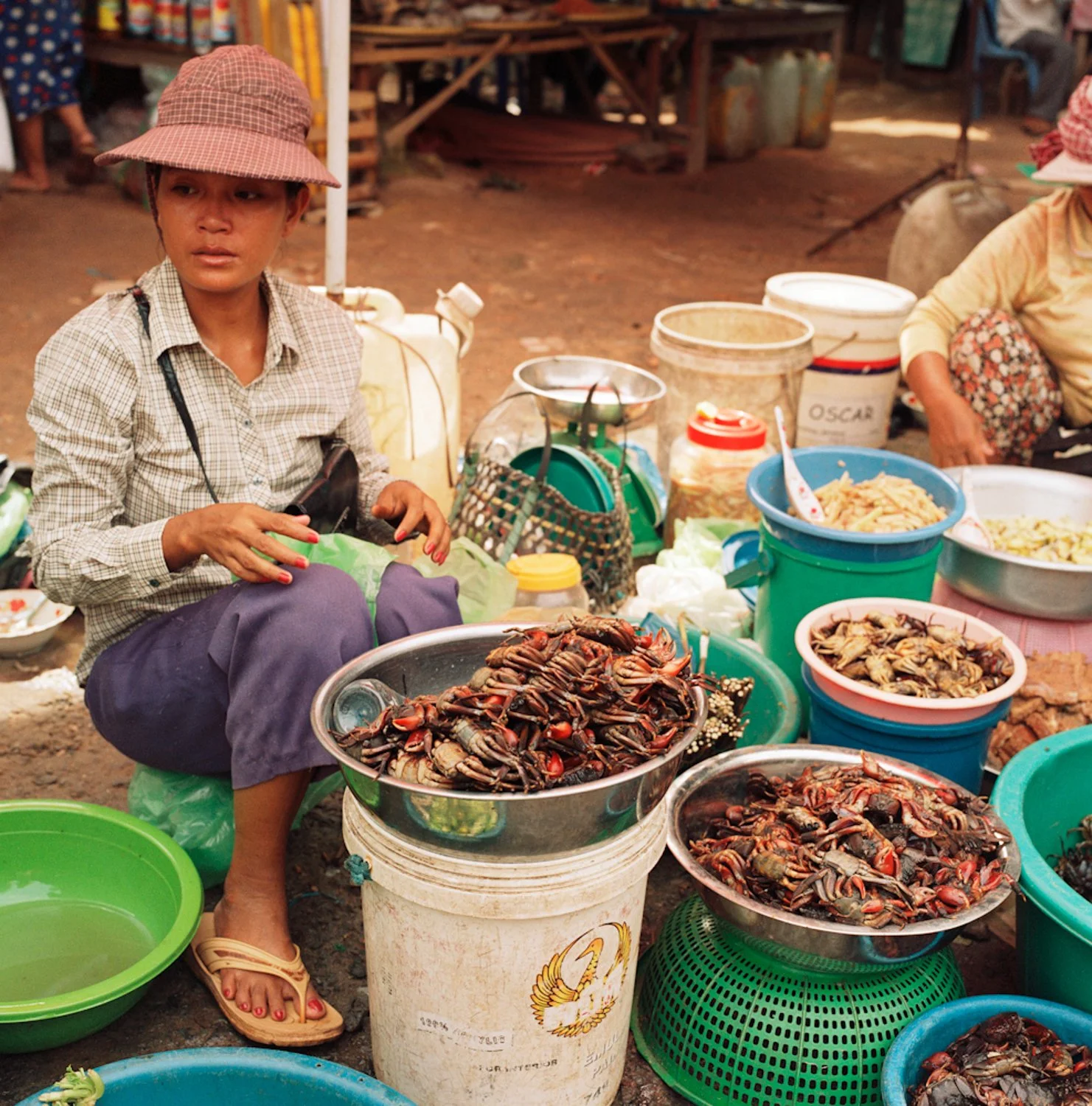
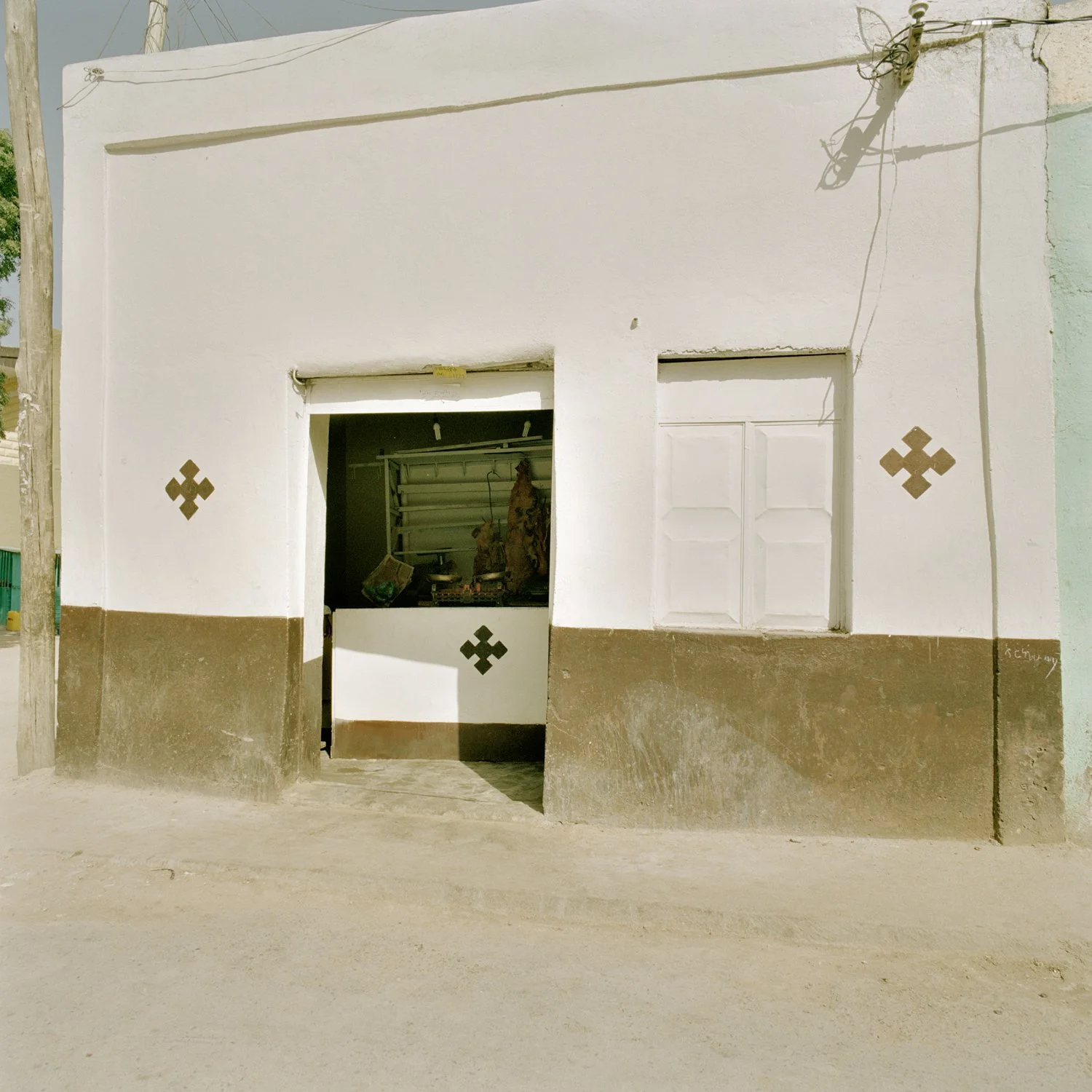
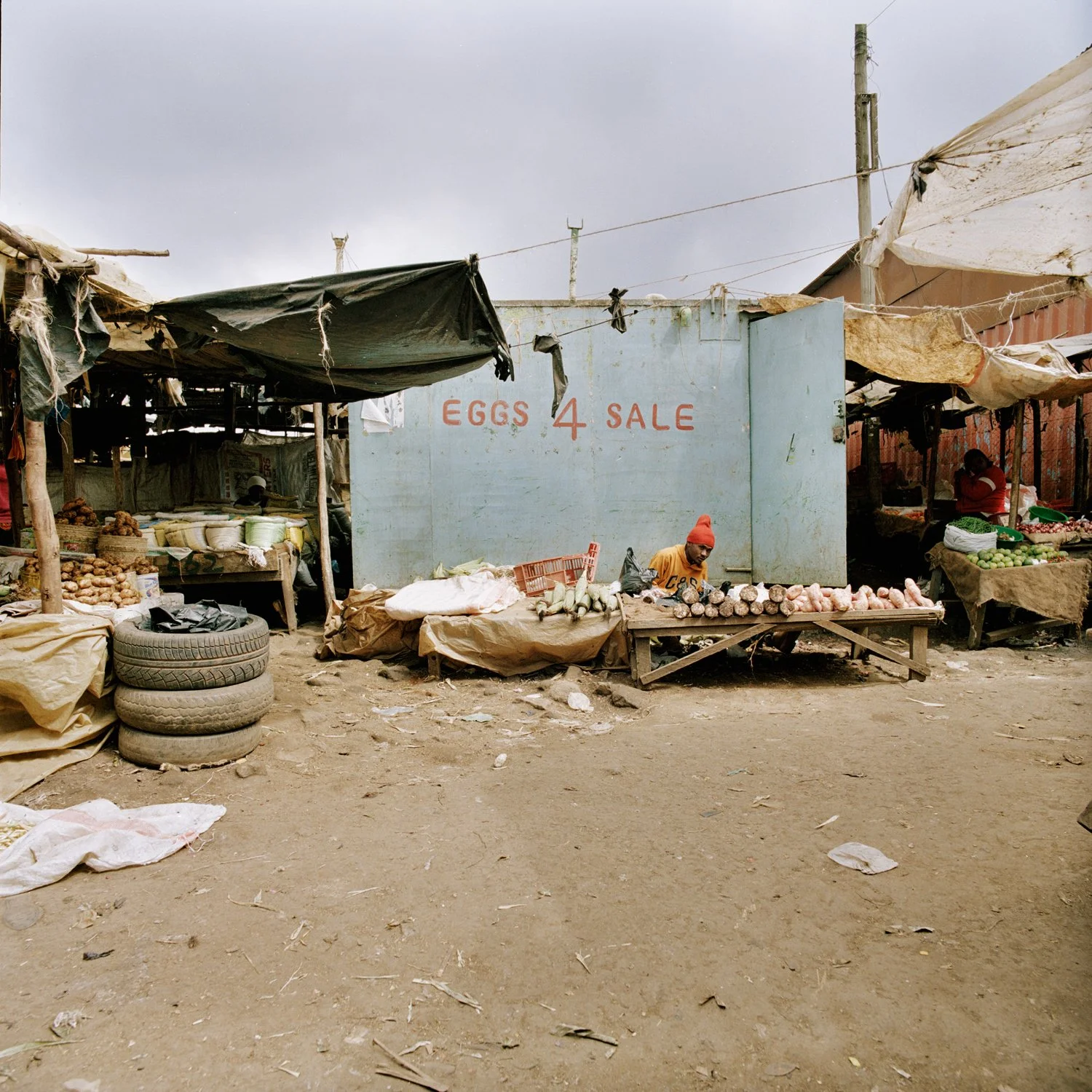
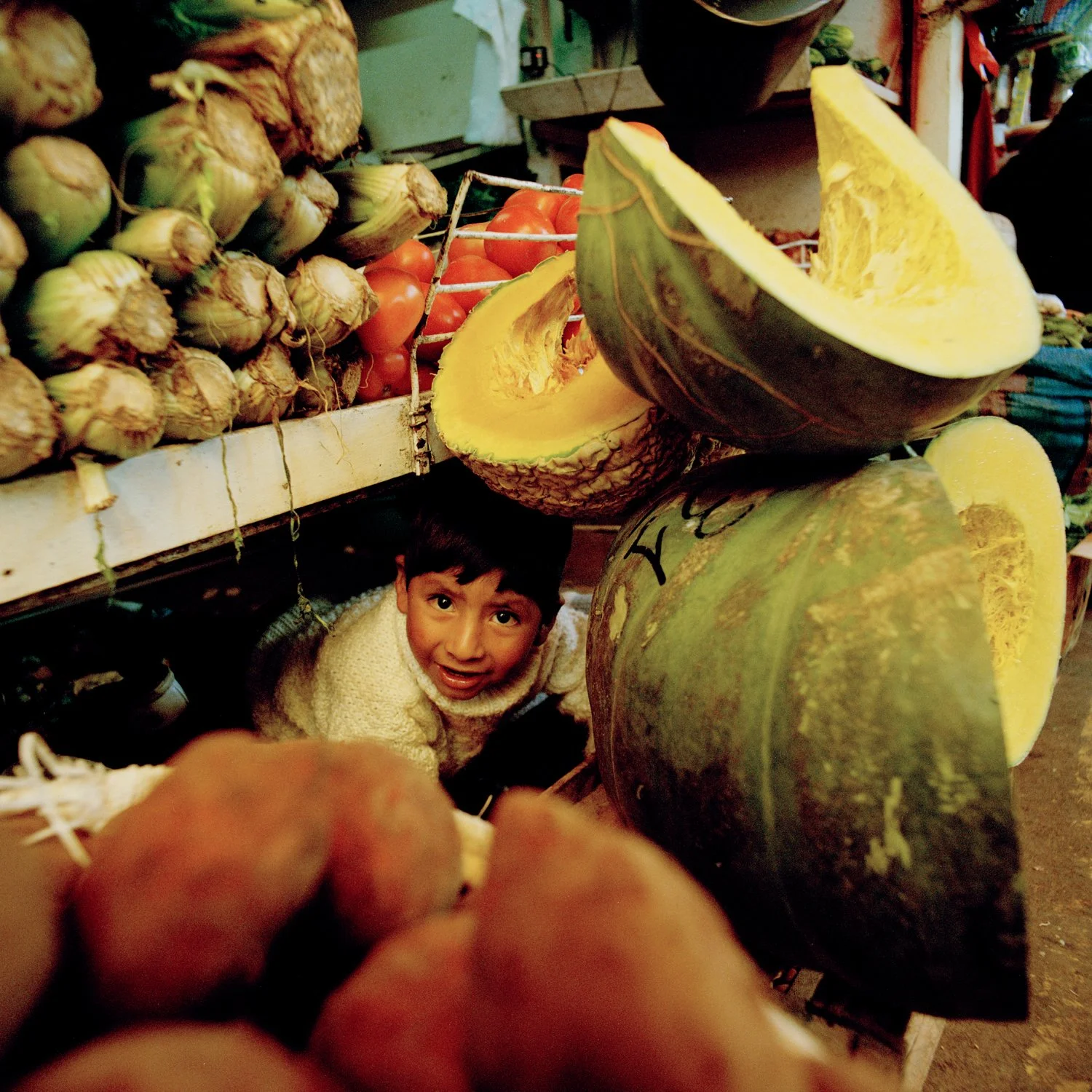
As I travel from country to country, the subtleties of gender, economics, and social dynamics of each culture are rendered with clarity. The markets are a micro-universe of that particular culture and nation. The cuisine is a reflection of the national psyche, and food starts at the marketplace. What the market offers, finally, is presence. Life and death in the same breath, unhidden, there is a place kept open for you too. The people who work there — the butcher with the kind smile, the vegetable lady devoted to her pile of potatoes — have made peace with what the supermarket taught us to avoid. They hold the space so we can remember.